Commercial Roofing
Commercial Roof Coating
BD Roofing & Contracting specializes in commercial roof coating and restoration for Houston-area properties. We evaluate the existing roof before recommending a coating system, because coating is not appropriate for every roof. The goal of that inspection is simple: find out whether the roof you already own can be restored instead of automatically replaced.
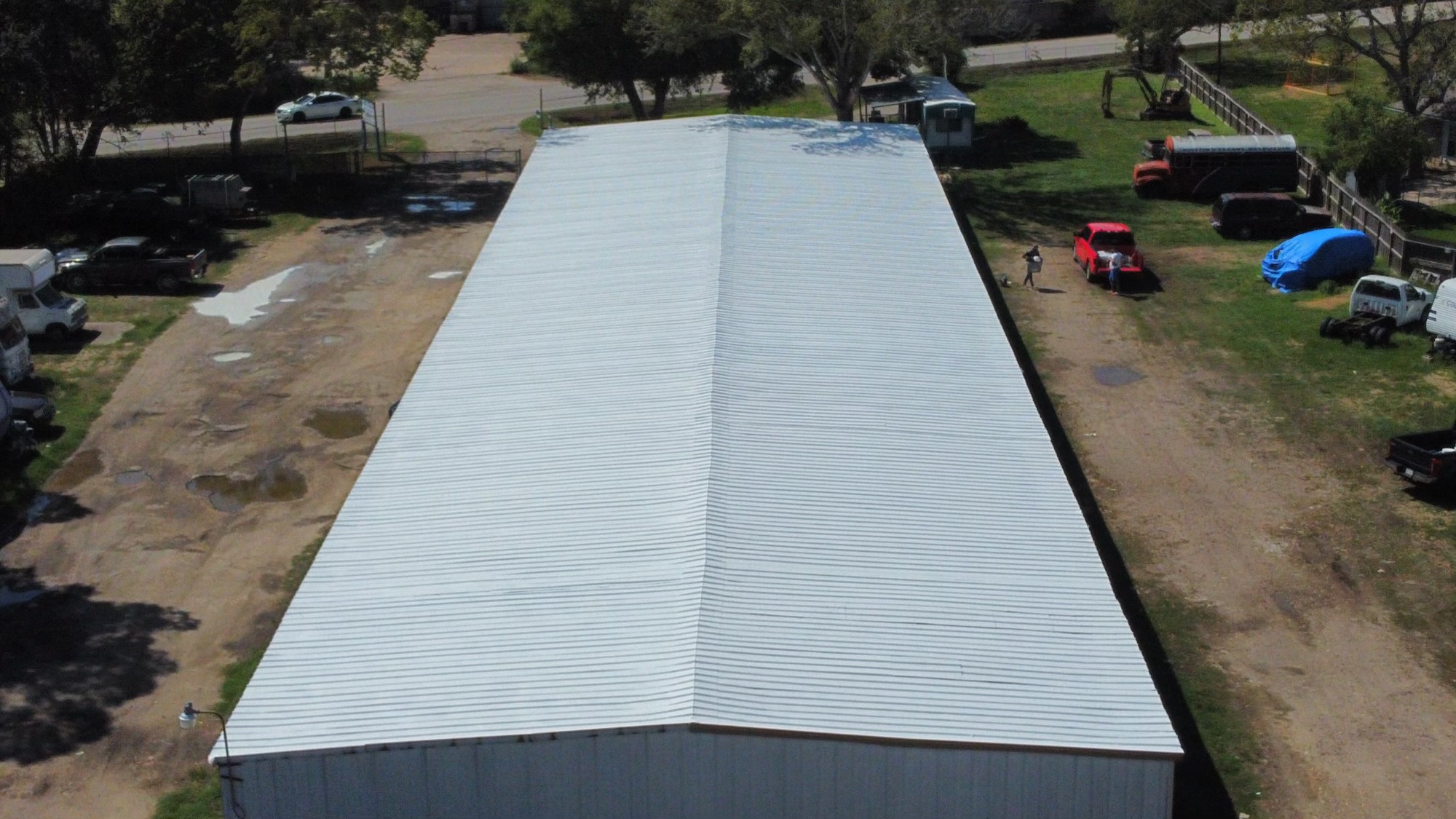
How a coating system works
The existing roof is cleaned and prepared. Seams, penetrations, flashings and problem areas are repaired and reinforced. A coating is then applied across the roof surface to form a continuous, monolithic layer with no field seams.
Coating materials differ in chemistry and performance characteristics. The right product depends on the existing roof system, the roof's condition, drainage, and how the building is used.
When coating makes sense
Coating is appropriate when the existing roof assembly is dry, structurally sound and repairable. If the insulation below the membrane is saturated, or the deck or structure is compromised, coating is not the right recommendation — and we will say so.
An inspection is required before we can tell you whether your roof is a candidate. We do not quote a coating system on a roof we have not evaluated.
Manufacturer Credentials
Manufacturer Certifications & Products We Work With
Our certifications and product experience help us evaluate compatible options for each existing roof system.
Certified
- Henry Certified
- UNIFLEX Certified
- APOC Certified
Manufacturers / Products We Work With
- Mule-Hide
- Progressive Materials
- Karnak
- Gaco
Restore Before You Replace
What Commercial Roof Coating Actually Is
Roof coating is our primary specialty, and it is the first thing we evaluate on any commercial roof that still has life left in it.
A commercial roof coating is a fluid-applied material installed over a prepared existing roof. Rolled or sprayed on and cured in place, it forms one continuous surface with no field seams across the roof plane and over the details that were repaired and reinforced beforehand.
That distinction matters. A coating is not a patch and it is not a new roof. It is a restoration of the roof you already own — which is only worth doing when the assembly underneath is dry, attached and structurally sound. As a roof coating contractor in the Houston area, our position is straightforward: restore before you replace, but never restore a roof that cannot be restored.
If the inspection shows the roof has passed that point, we say so and talk through commercial roof replacement instead. You can also read more about our approach to commercial roof restoration.
Candidate Systems
Which Commercial Roofs May Be Candidates for Coating
Condition determines candidacy — not the age of the roof or the type of system on it.
Metal panel roofs
Standing seam and R-panel roofs with surface corrosion, fastener issues or seam leaks are frequent restoration candidates once the panels and structure are sound.
Commercial Metal RoofingTPO and single-ply membranes
Aging TPO with chalking, shrinkage at details or isolated seam failures may be restorable when the membrane is still attached and the insulation below is dry.
Commercial TPO RoofingEPDM and modified bitumen
EPDM, mod-bit and built-up roofs with weathered surfaces and localized failures can often be repaired and coated rather than torn off.
Commercial Roof RepairExisting coated roofs
A previously coated roof can sometimes be recoated after cleaning, adhesion testing and detail repair, provided the existing coating is still bonded.
Preventative Roof MaintenanceWhen coating makes sense
A sound roof with a tired surface
- The existing roof assembly is structurally sound.
- The roof can be properly dried and prepared before any coating is applied.
- Existing leaks and deficiencies can be repaired.
- Seams, penetrations, flashings and other details can be addressed.
- The existing roof still has useful service life remaining.
- Drainage conditions are acceptable, or can be corrected as part of the project.
An inspection is required before any of that can be confirmed. We do not decide candidacy from the age of the roof, a photo, or a description over the phone.
When coating is not appropriate
When we will tell you to replace instead
- Saturated insulation in the roof assembly.
- Major structural or deck deterioration.
- Extensive deterioration beyond practical repair.
- Severe drainage problems that cannot be corrected.
- Widespread failure of the existing roof assembly.
- Other conditions — including substrates or existing coatings that will not accept a new system after cleaning and adhesion testing — that make restoration impractical.
We do not recommend coating simply because coating is our specialty. If the roof needs commercial roof repair, commercial roof replacement or another solution, we will explain that. Coating a failing roof hides the problem for a season and costs the owner twice.
Preparation
What a Commercial Roof Needs Before Coating
Preparation is where restoration succeeds or fails. The list below is typical — the actual scope is set by what the inspection finds on your roof.
Roof cleaning
The surface is cleaned so the coating can bond — dirt, chalking, biological growth and debris are removed by the method appropriate for that substrate.
Removal of loose or failed material
Blistered membrane, failed patches, deteriorated sealant and previously applied material that is no longer bonded are removed rather than coated over.
Leak and damage repair
Active leaks and damaged sections are traced and corrected. Wet insulation found during evaluation is addressed before any surface work continues.
Seam and lap repairs
Open, split or lifted seams and laps are repaired and, where needed, reinforced with detail material so movement-prone areas are strengthened.
Fastener repairs where applicable
On metal roofs, backed-out fasteners, failed washers and corroded fasteners are replaced or treated before the field coat is applied.
Flashing and penetration detailing
Curbs, pipe penetrations, equipment supports, drains, scuppers and wall terminations are detailed individually — these are where most roofs fail first.
Correction of problem areas
Ponding areas, damaged edge metal and other localized conditions are corrected where practical, or flagged if they change the recommendation.
Surface preparation and application
Once the roof is repaired and dry, the surface is prepared and the selected coating system is applied to that system's own requirements. No two roofs receive an identical scope.
Our Process
The Commercial Roof Coating Process
From the first inspection through the final walk, every step exists to make sure the roof under the coating is worth coating.
01
Request an Inspection
You call or send a request, and we schedule a walk of the roof. Nothing is quoted on a roof we have not seen.
02
Evaluate the Existing Roof
We document conditions at seams, flashings, penetrations and drains, check the deck and structure, and look for moisture in the assembly to determine whether restoration is realistic.
03
Repair and Prepare
Leaks and damaged areas are repaired, loose or failed material is removed, the surface is cleaned, and details are reinforced. The scope here depends entirely on what the roof needs.
04
Apply the Coating System
The selected system is applied according to its own requirements, in suitable temperature and humidity conditions, forming a continuous surface across the prepared roof.
05
Inspect and Maintain
We re-walk the roof, verify coverage and details, confirm drainage paths are clear, and review ongoing maintenance with the owner or property manager.
Coating Types
Elastomeric vs. Silicone Coatings
Two common categories, chosen by substrate and site conditions rather than by preference.
Elastomeric coatings
Elastomeric coatings are flexible, stretchable roof coatings commonly used in commercial roof restoration. They are available in different formulations, including acrylic-based products, and can be used on suitable metal and membrane roof systems. The appropriate coating depends on the existing roof substrate, surface condition, drainage, climate, and the requirements of the selected coating system. Proper surface preparation and suitable weather conditions are important for application and curing.
Silicone coatings
Silicone coatings are moisture-cured roof coating systems commonly used where resistance to prolonged moisture exposure is an important consideration. They can be suitable for certain commercial roof assemblies, but compatibility, adhesion, surface preparation, drainage, and the condition of the existing roof must be evaluated before application.
We select a system based on the existing substrate, drainage, roof condition and the manufacturer's requirements for that assembly — not on a single default product. We do not quote a specific system before the roof has been inspected.
Restoration vs. Replacement
Commercial Roof Coating vs. Complete Roof Replacement
Both are legitimate answers. The roof decides which one applies.
A replacement removes the existing system down to the deck and installs a new roof. That is the right call when the assembly is wet, the deck is compromised, or the system has simply reached the end of its service life. It also means tear-off, open roof, weather exposure and more disruption to whatever is happening below.
Restoration keeps the existing roof in place and rebuilds its surface and details. There is no tear-off, less debris, and generally less interruption to building operations. It is the smaller intervention — which is exactly why it only works on a roof that is still sound.
Restore when possible. Replace when necessary.
Benefits when restoration is appropriate
- No tear-off, which keeps the existing roof in place and can reduce disruption and weather exposure during the project.
- Repaired and reinforced details instead of a patched-over surface.
- A seamless surface across the roof field.
- Reflective options reduce rooftop surface temperature.
- Less debris and disposal than a full replacement.
- Typically less disruption to tenants, staff and operations.
- A restored roof can then be kept up through preventative roof maintenance.
Houston Considerations
Commercial Roof Coating in the Houston Climate
Gulf Coast conditions shape both what a roof needs and when the work can be done.
Heat and UV exposure
Long, intense summers put continuous thermal and UV load on roof surfaces. Reflective coatings reduce rooftop surface temperature, and heat cycling is a factor in how details are reinforced.
Rain and storm season
Heavy rainfall and hurricane-season weather mean short dry windows. Coating application requires a clean, dry substrate and suitable conditions, so scheduling is planned around the forecast.
Drainage and ponding
Flat and low-slope roofs across Houston hold water where drains, scuppers and slope have been neglected. Drainage is evaluated before a coating system is selected.
Building operations
Warehouses, retail centers, medical buildings and churches cannot always shut down. Restoration work is staged around access, occupancy and rooftop equipment.
Related Services
Explore the Rest of Our Commercial Work
Properties We Serve
Commercial Properties That Commonly Use Coating Systems
Flat, low-slope and metal roofs across the Houston area sit on buildings that cannot easily shut down for a tear-off.
- Warehouses and distribution buildings
- Industrial buildings
- Manufacturing facilities
- Retail centers
- Office buildings
- Churches
- Multi-tenant properties
- Other commercial buildings
FAQ
Commercial Roofing Questions
Straight answers about coating, restoration and commercial roof systems.
Is Your Commercial Roof a Candidate for Coating?
The first step is an inspection of the existing roof. We walk the roof, evaluate the deck, insulation, details and drainage, and tell you honestly whether coating, repair or replacement is the right recommendation for your building.
Next Step
Let's Find the Right Solution for Your Roof.
Whether your commercial roof needs repair, restoration, coating, or replacement, we'll evaluate the existing system and help you determine the right path forward.